
Guide “How to Train a Cat to Use a Litter Box?” and Top 8 Cat Litter Products in 2025
How to Train a Cat to Use a Litter Box?
Training a cat to use a litter box is usually straightforward, as most cats have a natural instinct to bury their waste. With the right setup and consistency, the process can be quick and stress-free.
1. Choose the Right Location
Place the litter box in a quiet, low-traffic area that’s easy for your cat to access. Avoid noisy appliances or busy hallways that may cause anxiety.
2. Pick the Right Litter and Box
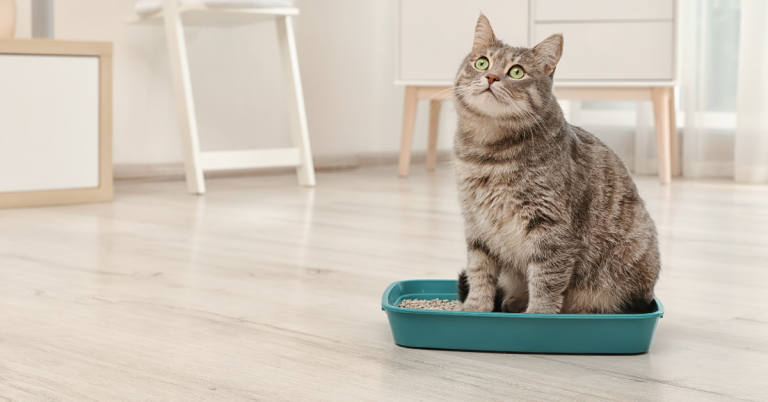
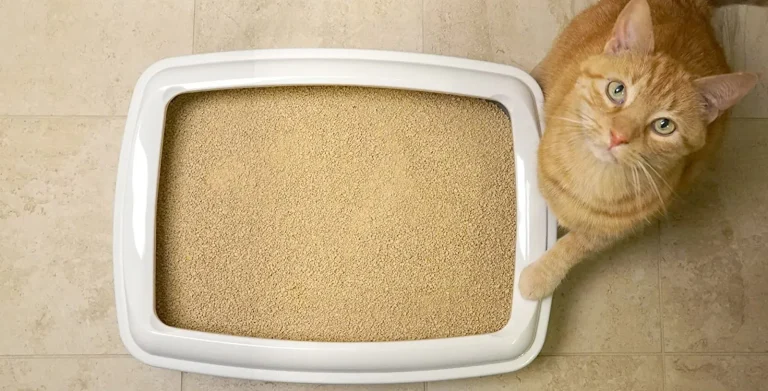
Use a fine-textured, unscented litter, especially for kittens. Make sure the box is large enough for your cat to turn around comfortably. For kittens, choose a low-entry box.
3. Introduce the Litter Box Early
After meals, naps, or playtime, gently place your cat in the litter box. Let them sniff and explore. Most cats will instinctively dig and use it.
4. Keep It Clean
Scoop waste daily and refresh litter regularly. Cats are clean animals and may avoid a dirty box.
5. Avoid Punishment
If accidents happen, clean the area thoroughly to remove odor and calmly place your cat back in the litter box. Never punish — it can create fear and confusion.
6. Provide Enough Boxes
In multi-cat homes, follow the rule: one box per cat, plus one extra.
With patience, cleanliness, and proper placement, most cats quickly learn to use the litter box consistently.
The Top 8 Types of Cat Litter
Cat litter is no longer a simple household staple — it’s an essential part of maintaining a clean, odor-free, and comfortable home for both you and your cat. In 2025, innovation in the cat litter category focuses on stronger odor control, improved clumping performance, dust reduction, eco-conscious materials, and formulas designed for sensitive cats.
Whether you’re managing a multi-cat household, a small apartment, or a picky feline with specific preferences, the right litter can make all the difference. Below are the top eight types of cat litter products dominating the market this year — combining performance, convenience, and thoughtful design.
1. Premium Clumping Clay Litter (Ultra Low Dust Formula)

Best for: Strong odor control and easy daily scooping
Premium clumping clay litter remains one of the most popular options because of its reliable performance. Made from sodium bentonite clay, it forms tight, solid clumps when exposed to moisture, making waste removal quick and efficient.
Modern ultra-low-dust formulas significantly reduce airborne particles — a major improvement over older clay litters. Many brands now incorporate activated carbon or odor-neutralizing minerals to trap smells instead of masking them with heavy perfumes.
What to look for:
- Tight, fast-forming clumps
- 99% dust-free labeling
- Unscented or lightly scented options
- Multi-cat strength formulas
Pros:
- Excellent odor control
- Easy spot cleaning
- Widely available and affordable
Cons:
- Heavy to carry
- Non-biodegradable
To buy this product, click here.
2. Lightweight Clumping Litter

Best for: Easy handling and portability
Lightweight clumping litter uses modified clay or blended materials to reduce overall weight by up to 50% compared to traditional clay. It offers similar clumping performance while being much easier to pour and transport — especially helpful for seniors or apartment dwellers.
Despite its lighter structure, modern versions maintain strong odor control and low dust output.
What to look for:
- Strong clump integrity
- Minimal tracking
- Reinforced odor control additives
Pros:
- Easier to lift and store
- Comparable performance to regular clay
- Ideal for frequent refilling
Cons:
- Often slightly more expensive
- Some formulas track more easily
To buy this product, click here.
3. Plant-Based Clumping Litter (Corn, Wheat, or Cassava)

Best for: Eco-conscious households
Plant-based clumping litters are made from renewable materials like corn, wheat, or cassava. They form natural clumps without synthetic chemicals and are typically biodegradable.
These formulas are often flushable (check manufacturer instructions) and produce less environmental waste compared to clay-based options. Many pet owners appreciate the lighter natural scent and softer texture under paws.
What to look for:
- Natural odor control enzymes
- Strong clumping capability
- Low-dust milling process
Pros:
- Biodegradable and renewable
- Lighter weight
- Gentle on paws
Cons:
- May be less effective with heavy urine output
- Can attract insects if stored improperly
To buy this product, click here.
4. Tofu Cat Litter (Soy-Based Pellets)

Best for: Low tracking and easy disposal
Tofu litter is made from compressed soy pulp fibers. It forms firm clumps while remaining lightweight and virtually dust-free. The pellet structure helps reduce tracking around the litter box area.
Many tofu litters are flushable in small amounts and dissolve quickly in water, making cleanup convenient.
What to look for:
- Quick-dissolving clumps
- Unscented versions
- Strong moisture absorption
Pros:
- Very low dust
- Environmentally friendly
- Lightweight and easy to handle
Cons:
- Higher price point
- Availability varies by region
To buy this product, click here.
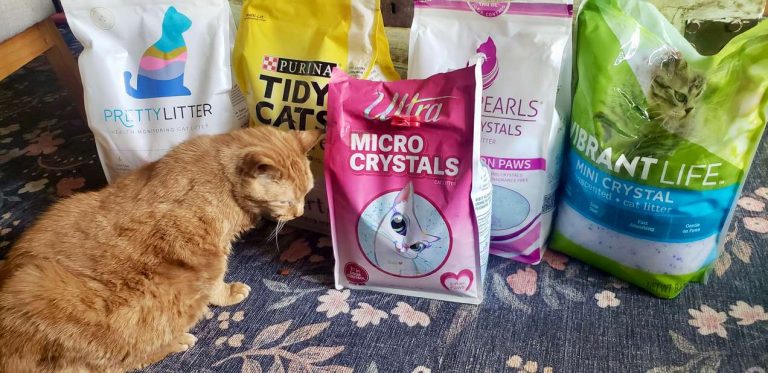
5. Silica Gel Crystal Litter

Best for: Long-lasting moisture absorption
Silica crystal litter uses porous silica beads to absorb moisture and trap odor at a microscopic level. Instead of clumping, it dehydrates waste and locks in smells for extended periods.
A single bag can last significantly longer than traditional clay, making it ideal for busy owners who prefer less frequent full litter changes.
What to look for:
- Non-toxic silica
- Minimal dust
- Indicator crystals that change color when saturated
Pros:
- Excellent odor absorption
- Low maintenance
- Lightweight
Cons:
- Does not clump
- Some cats dislike the texture
To buy this product, click here.
6. Pine Pellet Litter

Best for: Natural odor control and minimal dust
Pine pellet litter is made from compressed sawdust. When wet, pellets break down into soft sawdust while neutralizing odor naturally through wood oils.
This option produces very little dust and is often more affordable than specialty litters. It’s also biodegradable and compostable (when properly managed).
What to look for:
- Kiln-dried pine for safety
- Minimal additives
- Pellet size that fits your litter box system
Pros:
- Natural scent
- Very low dust
- Affordable and eco-friendly
Cons:
- Requires sifting-style litter boxes
- Texture adjustment period for some cats
To buy this product, click here.
7. Multi-Cat Odor Control Formula

Best for: Homes with two or more cats
Multi-cat formulas are engineered with enhanced odor-neutralizing technology, antimicrobial agents, or baking soda blends to combat stronger ammonia smells.
These litters typically offer stronger clumping and higher moisture absorption to handle increased litter box traffic.
What to look for:
- Ammonia-blocking technology
- Long-lasting freshness claims
- Strong, durable clumps
Pros:
- Designed for high-use boxes
- Superior odor management
- Often low tracking
Cons:
- Heavier fragrance in some versions
- Slightly higher cost
To buy this product, click here.
8. Hypoallergenic & Dust-Free Litter for Sensitive Cats

Best for: Cats or owners with respiratory sensitivities
Specialized hypoallergenic litters focus on minimal dust, fragrance-free formulas, and limited additives. These products reduce airborne irritants and are often recommended for kittens or households with asthma concerns.
They may be made from clay, paper, or natural fibers, depending on the brand.
What to look for:
- Fragrance-free labeling
- Veterinary recommendations
- Low-residue packaging
Pros:
- Safer for sensitive cats
- Reduced respiratory irritation
- Gentle on paws
Cons:
- Odor control may be milder
- Limited scent options
To buy this product, click here.
How Often Americans Change Their Cat Litter?

The 3D-style pie chart illustrates how often Americans change their cat litter based on survey results.
The largest segment, representing 43%, shows that most respondents change litter once every two weeks. The second-largest group, 32%, refresh the litter once a week, indicating a strong preference for weekly maintenance.
A smaller but notable portion, 20%, change litter twice a week, reflecting more frequent hygiene habits. Only 5% of respondents reported changing litter once every two days, making this the least common routine.
Overall, the chart highlights that the majority of cat owners tend to follow a weekly or bi-weekly litter replacement schedule rather than very frequent changes.
What Makes a Great Cat Litter?
The best cat litter combines odor control, clumping performance, dust reduction, safety, and comfort. While appearance matters less than with furniture, quality materials and thoughtful engineering dramatically improve daily use.
Strong clumping prevents waste from breaking apart. Low dust protects air quality. Effective odor control eliminates ammonia rather than covering it up. And texture plays a critical role — many cats prefer fine-grain sand-like litter because it feels natural under their paws.
Additionally, eco-conscious buyers increasingly consider sustainability, biodegradability, and packaging waste when choosing litter products.
Tips for Choosing the Right Cat Litter
Choosing the ideal litter depends on both your cat’s behavior and your living situation.
Consider your cat’s preference. Cats can be particular about texture and scent. If switching brands, transition gradually by mixing old and new litter over several days.
Evaluate odor control needs. Multi-cat homes require stronger formulas. Small apartments benefit from maximum odor absorption.
Think about maintenance habits. If you scoop daily, clumping clay or plant-based litters work well. If you prefer longer intervals between full changes, silica crystals may be more convenient.
Check dust levels. Households with allergies should prioritize ultra-low-dust or hypoallergenic options.
Factor in sustainability. Biodegradable and plant-based options reduce landfill waste compared to traditional clay.
Conclusion
Cat litter in 2025 is more advanced than ever, offering tailored solutions for odor control, convenience, sustainability, and feline comfort. From powerful clumping clay to innovative plant-based and crystal options, today’s products are designed to make litter box maintenance simpler and more hygienic.
The right choice keeps your home fresh, your cat comfortable, and daily cleanup stress-free — proving that even the most practical essentials deserve thoughtful design and performance.