All About Cat Washing And Top 8 Shampoos for Cats in 2025: Gentle Care for a Healthy Coat
Cats are known for their grooming habits, but there are times when a proper bath becomes necessary. Whether it’s dealing with dirt, allergens, parasites, or sensitive skin conditions, a high-quality cat shampoo can make a significant difference. Unlike human shampoos, cat-specific formulas are designed to be gentle, non-toxic, and safe for feline skin and fur.
How to Choose the Right Shampoo for Your Cat
Selecting the right shampoo is essential for maintaining your cat’s skin health and coat quality. Not all shampoos are suitable for every cat, so it’s important to consider your cat’s age, skin condition, and lifestyle.
For cats with sensitive skin or allergies, hypoallergenic or oatmeal-based shampoos are usually the safest choice. If your cat suffers from dandruff, itching, or diagnosed skin conditions, a medicated shampoo recommended by a veterinarian may be necessary. Kittens should always be bathed with kitten-safe, tearless formulas designed for delicate skin.
If your cat dislikes water or only needs light cleaning, waterless shampoos offer a convenient alternative. For odor control, deodorizing shampoos can be used occasionally, while flea and tick shampoos are best reserved for parasite treatment rather than regular grooming.
Always check ingredient lists and avoid products containing alcohol, artificial dyes, strong fragrances, or essential oils not proven safe for cats. When in doubt, consult your veterinarian for personalized recommendations.
This guide highlights the top 8 shampoos for cats, covering different needs such as sensitive skin, flea control, odor removal, and moisturizing care. Choosing the right shampoo helps keep your cat clean, comfortable, and healthy while minimizing stress during bath time.
1. Hypoallergenic Cat Shampoo
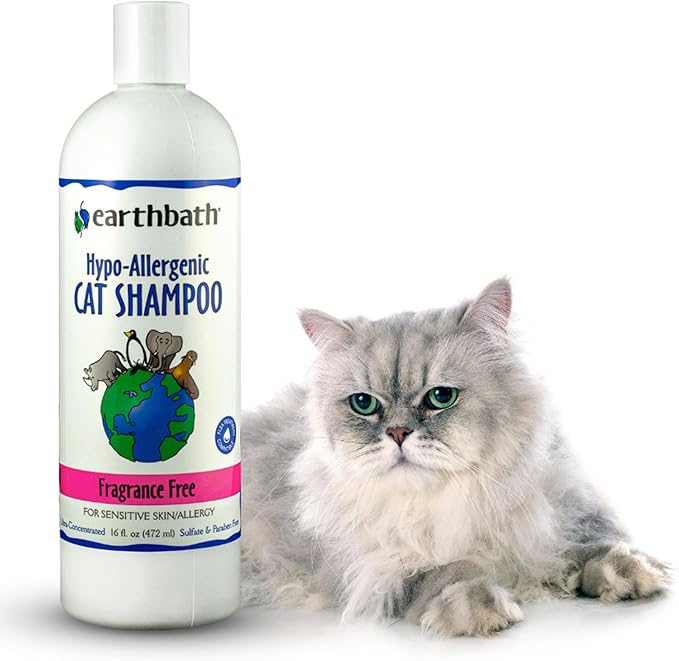
Hypoallergenic cat shampoo is ideal for cats with sensitive skin, allergies, or frequent itching. These formulas are free from harsh chemicals, artificial fragrances, dyes, and sulfates that can irritate a cat’s skin. Instead, they use mild cleansing agents and soothing ingredients to gently clean without stripping natural oils.
Many hypoallergenic shampoos include ingredients such as oatmeal, aloe vera, or chamomile, which help calm redness and relieve dryness. They are suitable for kittens, senior cats, and cats with chronic skin sensitivities. This type of shampoo is often recommended by veterinarians for cats with recurring skin reactions.
Pros
• Extremely gentle on skin
• Reduces itching and irritation
• Safe for frequent use
Cons
• May not remove heavy odors
• Less effective for parasite control
This shampoo is perfect for cats that need extra-gentle care.
To buy this product, click here.
2. Oatmeal-Based Cat Shampoo
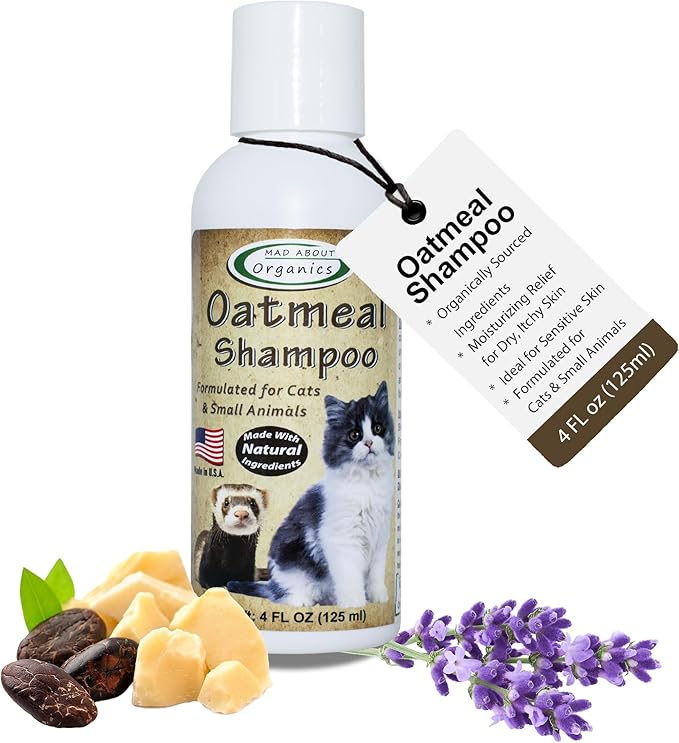
Oatmeal-based cat shampoo is a popular choice for cats suffering from dry, flaky, or itchy skin. Colloidal oatmeal works as a natural moisturizer and anti-inflammatory ingredient that helps restore the skin’s protective barrier. It relieves discomfort while leaving the coat soft and manageable.
These shampoos are especially beneficial during seasonal changes or for cats living in dry indoor environments. Many formulas also contain vitamin E or coconut oil to enhance hydration and coat shine.
Pros
• Soothes dry and itchy skin
• Moisturizes coat naturally
• Suitable for sensitive cats
Cons
• Not medicated
• Requires thorough rinsing
A great everyday option for maintaining skin comfort and coat softness.
To buy this product, click here.
3. Flea and Tick Cat Shampoo
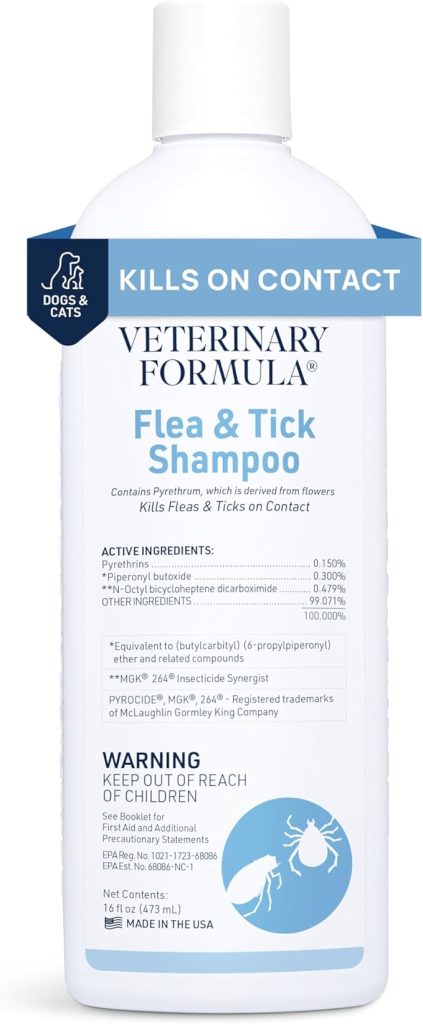
Flea and tick cat shampoo is designed to kill and repel external parasites while cleansing the coat. These shampoos typically contain active ingredients that target fleas, ticks, and lice, helping provide immediate relief from infestations.
Some modern formulas use natural plant-based extracts, while others contain vet-approved insecticides. It’s important to choose a shampoo labeled specifically for cats, as dog flea shampoos can be toxic to felines.
Pros
• Eliminates fleas and ticks
• Provides fast relief from itching
• Helps prevent reinfestation
Cons
• Not suitable for frequent use
• May require follow-up treatments
Best used as part of a comprehensive parasite control routine.
To buy this product, click here.
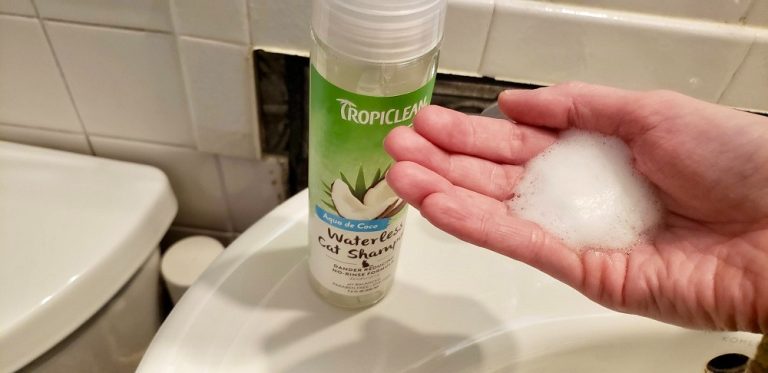
4. Waterless (Dry) Cat Shampoo
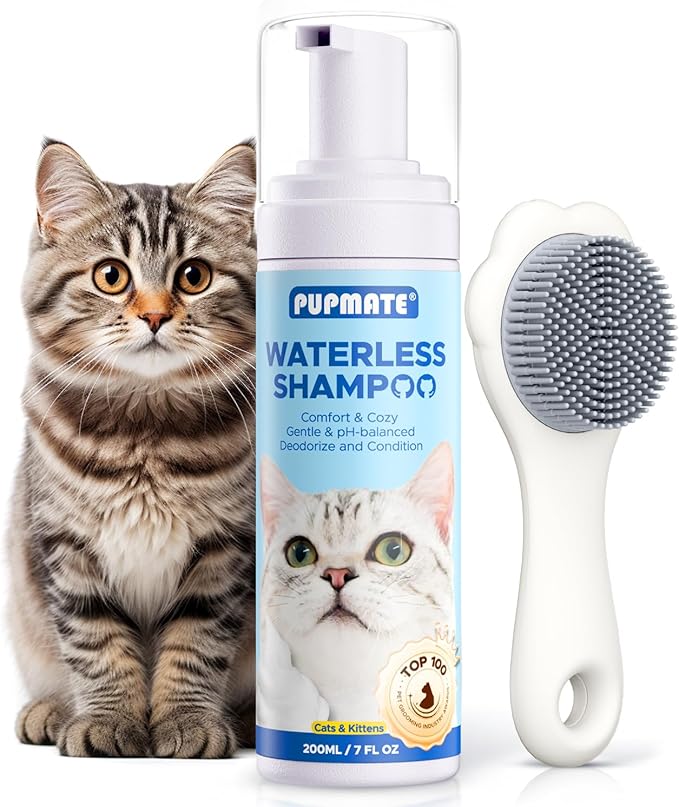
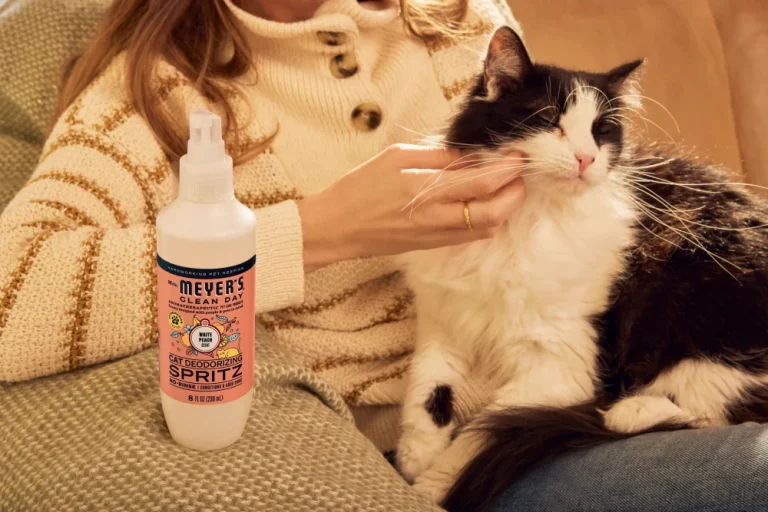
Waterless cat shampoo is an excellent solution for cats that strongly dislike baths or for quick clean-ups between traditional washes. These shampoos come in foam, spray, or powder form and do not require rinsing. You simply apply the product and gently towel or brush it out.
They are ideal for senior cats, post-surgery recovery, or travel situations. Many waterless shampoos also neutralize odors and add light conditioning to the coat.
Pros
• No water required
• Stress-free application
• Convenient for quick cleaning
Cons
• Not a deep clean
• Less effective on heavy dirt
Perfect for cats who hate water or need minimal grooming.
To buy this product, click here.
5. Medicated Cat Shampoo
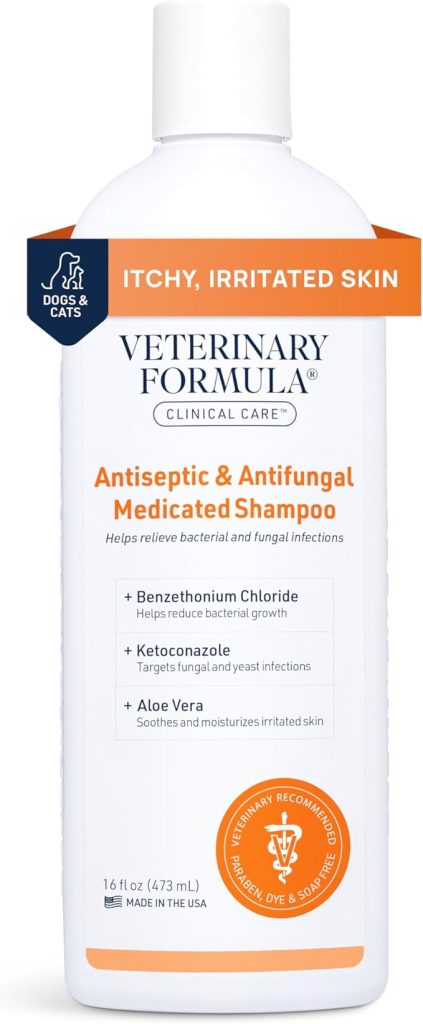
Medicated cat shampoo is formulated to address specific skin conditions such as fungal infections, bacterial dermatitis, or excessive dandruff. These shampoos contain active medicinal ingredients that help treat underlying skin problems while cleansing the coat.
They are often prescribed or recommended by veterinarians and should be used according to instructions. Regular monitoring is important to avoid overuse or skin dryness.
Pros
• Treats skin infections
• Reduces dandruff and odor
• Vet-approved formulations
Cons
• Not for routine bathing
• Requires careful use
Ideal for cats with diagnosed skin conditions requiring treatment.
To buy this product, click here.
6. Deodorizing Cat Shampoo
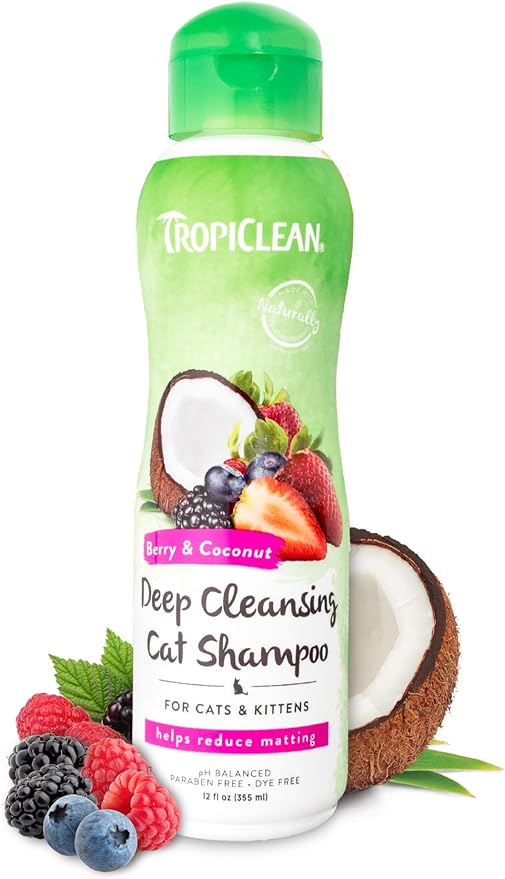
Deodorizing cat shampoo focuses on neutralizing unpleasant odors rather than masking them. These shampoos are useful for cats that get into dirty environments or have strong coat odors due to oil buildup.
Many formulas include baking soda, charcoal, or botanical extracts to absorb and eliminate smells. They leave the coat fresh without overpowering fragrances that cats may find irritating.
Pros
• Eliminates odors effectively
• Leaves coat fresh
• Suitable for occasional use
Cons
• May dry skin if overused
• Not ideal for sensitive cats
A good choice for cats that need odor control without harsh scents.
To buy this product, click here.
7. Kitten-Safe Shampoo
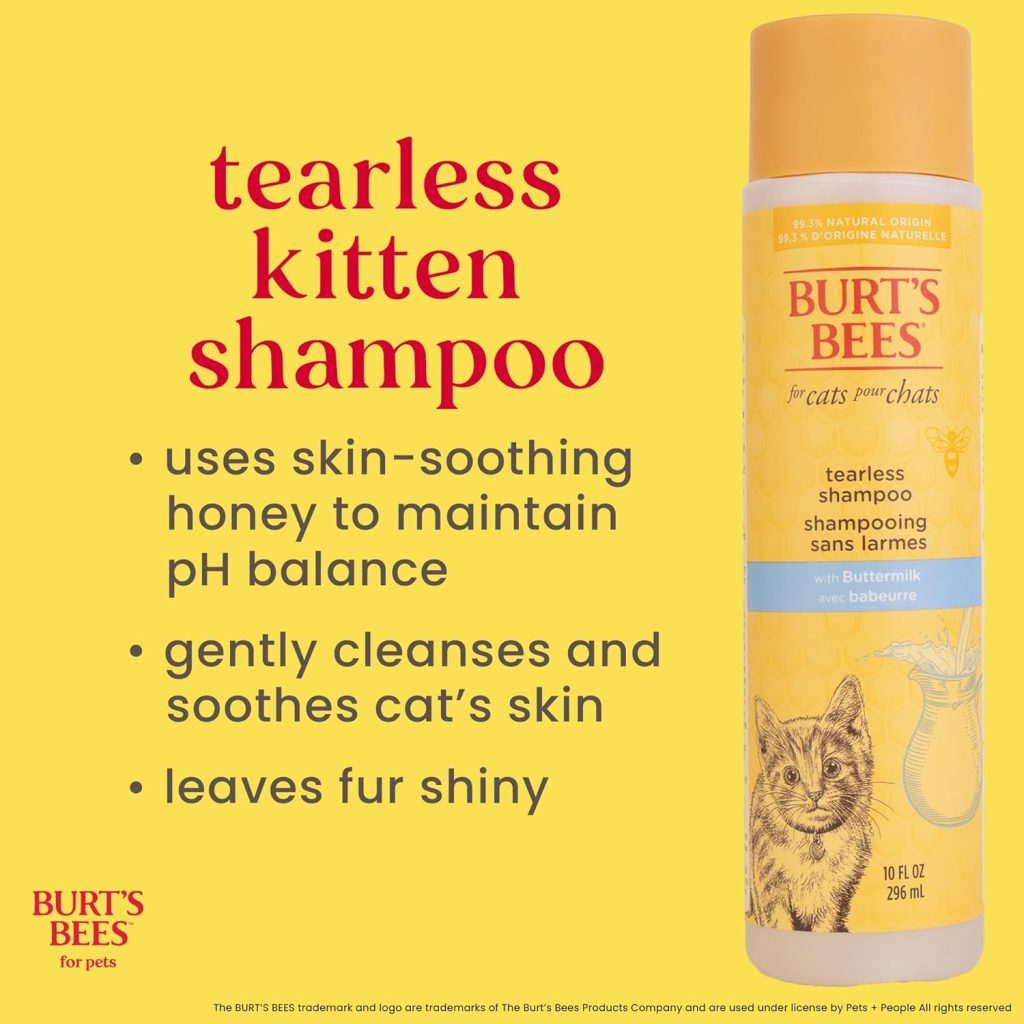
Kitten-safe shampoo is specially formulated for young cats with delicate skin and developing immune systems. These shampoos are tearless, ultra-mild, and free from strong chemicals or essential oils.
They gently cleanse without disrupting the natural oils that protect a kitten’s skin. Many are also safe if licked during grooming, making them a safer option for young cats.
Pros
• Safe for kittens
• Tear-free formula
• Extremely gentle
Cons
• Limited cleaning strength
• Not suitable for severe issues
Essential for early grooming and gentle introduction to bathing.
To buy this product, click here.
8. Natural and Organic Cat Shampoo
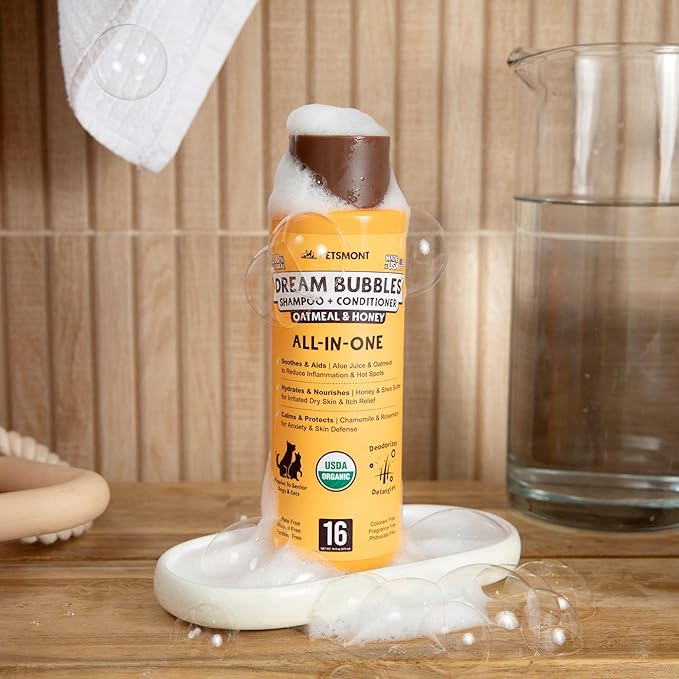
Natural and organic cat shampoos are made with plant-based ingredients and avoid synthetic chemicals, parabens, and artificial fragrances. These shampoos appeal to pet owners looking for eco-friendly and holistic grooming options.
Ingredients like aloe vera, herbal extracts, and essential oils (in cat-safe concentrations) help cleanse and nourish the coat naturally. Always ensure essential oils used are specifically safe for cats.
Pros
• Eco-friendly ingredients
• Gentle and nourishing
• Minimal chemical exposure
Cons
• Shorter shelf life
• May cost more
Ideal for owners seeking natural grooming solutions.
To buy this product, click here.
How to Properly Wash a Cat
Bathing a cat can be a challenging experience, especially if your pet is not accustomed to water. Proper preparation and a calm approach can make the process much easier and safer for both you and your cat.
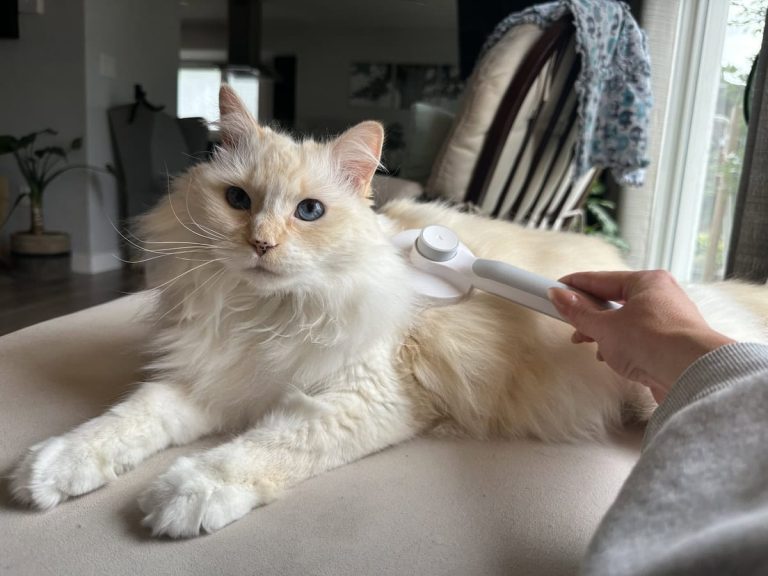
Before bathing, brush your cat thoroughly to remove loose fur and tangles. This helps prevent matting and allows the shampoo to reach the skin more evenly. Prepare everything in advance—cat shampoo, towels, and a non-slip mat—so you don’t need to leave your cat unattended during the bath.
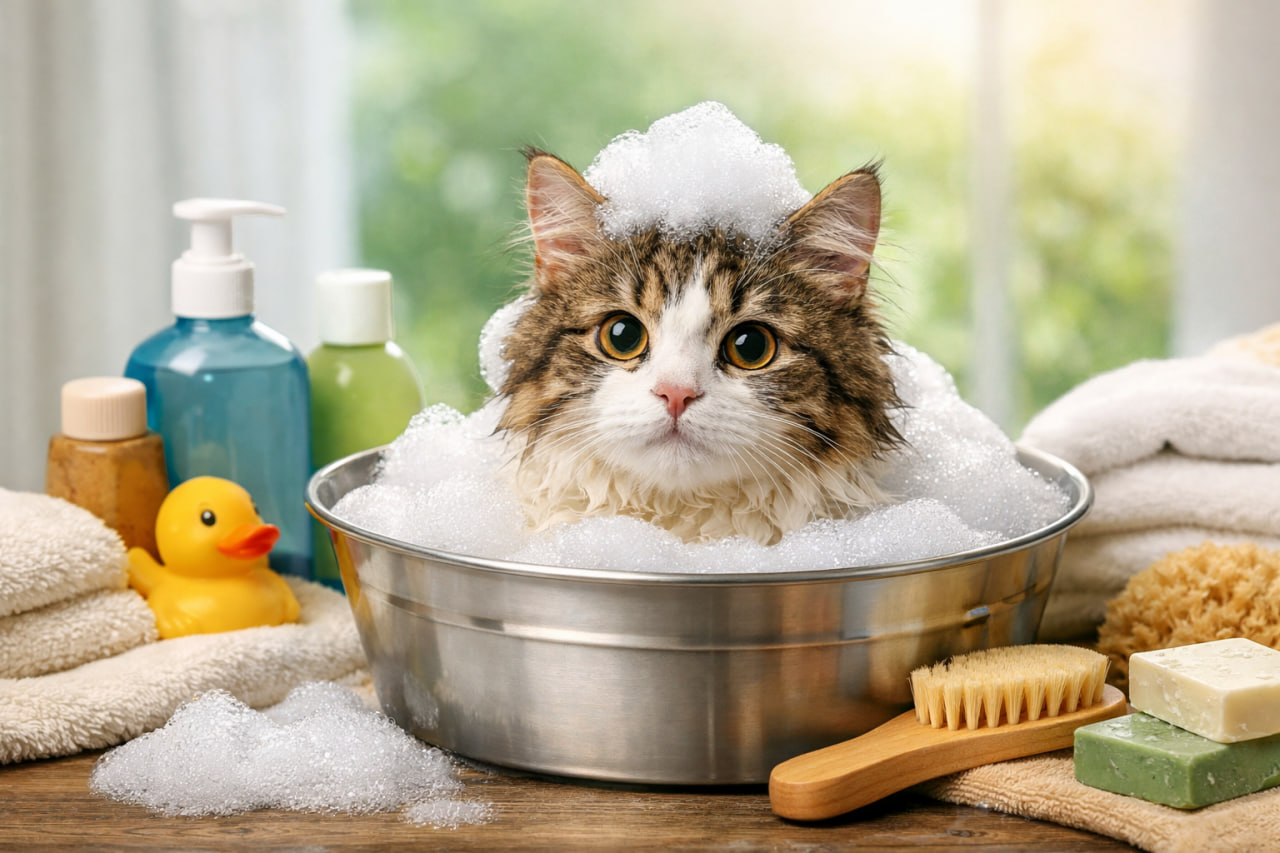
Use lukewarm water and gently wet your cat’s body, avoiding the face, ears, and eyes. Apply a small amount of cat shampoo and massage it softly into the fur, working from the neck down. Speak calmly and move slowly to reduce stress. Rinse thoroughly to remove all shampoo residue, as leftover product can cause skin irritation.
After bathing, wrap your cat in a towel and gently pat dry. Some cats tolerate a low-noise dryer on a cool or warm (not hot) setting, but towel drying is usually sufficient. Keep your cat in a warm, draft-free area until fully dry.
How Often Should You Wash a Cat?
Unlike dogs, most cats do not require frequent bathing because they groom themselves naturally. Over-bathing can strip natural oils from the skin, leading to dryness and irritation.
For most indoor cats, bathing every few months—or only when visibly dirty—is sufficient. Long-haired cats or those prone to matting may benefit from occasional baths combined with regular brushing. Outdoor cats may require more frequent washing if they come into contact with dirt, grease, or parasites.
Cats with medical conditions may need scheduled bathing using medicated shampoos, but this should always follow veterinary advice. Waterless shampoos can be used between baths for maintenance and odor control without stressing the skin.
The key is moderation—bathe your cat only when necessary and always use a shampoo formulated specifically for feline care.
We conducted a survey among American cat breeders and found out that:
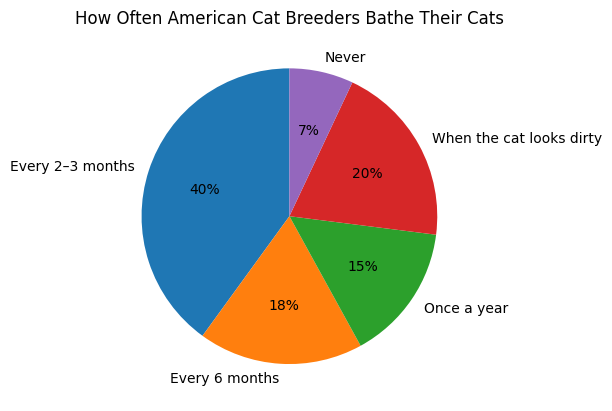
The survey shows that most American cat breeders bathe their cats regularly, but the frequency varies depending on grooming philosophy, coat type, and lifestyle.
The largest group, 40% of respondents, bathe their cats every 2–3 months. This suggests that routine bathing is common among breeders, especially those working with show cats or long-haired breeds where coat maintenance is essential.
Another 18% bathe their cats every 6 months, indicating a more moderate approach that balances hygiene with preserving natural skin oils. Similarly, 15% of breeders wash their cats once a year, often relying primarily on self-grooming and brushing throughout the year.
A significant 20% prefer a situational approach, bathing their cats only when they look dirty. This reflects a practical mindset focused on necessity rather than a fixed schedule.
Finally, 7% of respondents do not bathe their cats at all, trusting natural grooming completely or avoiding bathing due to stress, coat type, or health considerations.
Key Takeaways
• 78% of breeders bathe their cats at least once a year
• 60% follow a structured bathing schedule
• The majority avoid excessive washing
• Very few breeders completely skip bathing
Frequently Asked Questions
Can I use human shampoo on my cat?
No. Human shampoos are not pH-balanced for cats and can cause skin irritation or toxicity.
How often should I bathe my cat?
Most cats only need occasional baths. Frequency depends on coat type, health, and lifestyle.
Are natural shampoos safer for cats?
Natural shampoos can be safe, but always ensure all ingredients are specifically cat-safe.
Do indoor cats need shampoo?
Indoor cats usually require minimal bathing, but shampoos can help with allergies, shedding, or medical needs.
Conclusion
The right shampoo plays an important role in maintaining your cat’s skin health, coat quality, and overall comfort. From hypoallergenic and oatmeal formulas to medicated and waterless options, modern cat shampoos are designed to meet a wide range of grooming needs.
By choosing a shampoo tailored to your cat’s age, sensitivity, and lifestyle, you ensure safer grooming, reduced stress, and a cleaner, healthier feline companion.